- Finished the body work repair
- Assembled the body work
- Finished the rolling chassis; Carburetor, Dynamo, Starter, Waterpump, Oil cleaner and Engine
- Finished the interior heater and screen washer motor
During the last 25% i will still need to do;
- Electrical installation
- Assembling interior
- Lining
- Straightening and spraying the outside of the body work
- Mounting all the exterior items; Bumpers, Light, Glass, Chrome bit and pieces etc
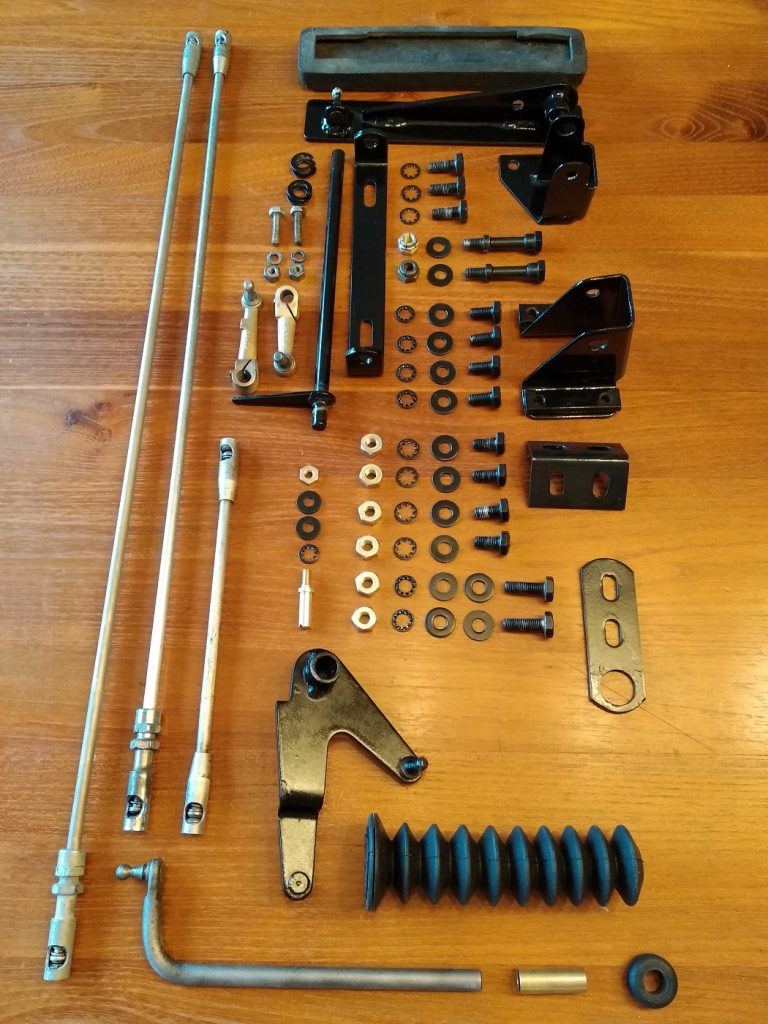
- The three linkage rods
- Accelerator Pedal and pedal bracket
- The lower throttle bracket and lever
All missing parts where found over the years and the accelerator pedal bracket I made myself. The last missing part, the vertical rod (C9951) was still missing. Because I found out that the rod can be shorten, from the side where the two 7/17 nuts are located, I bought one from an e-type (C17870). Because the rod it much longer it can be cut to the correct length.
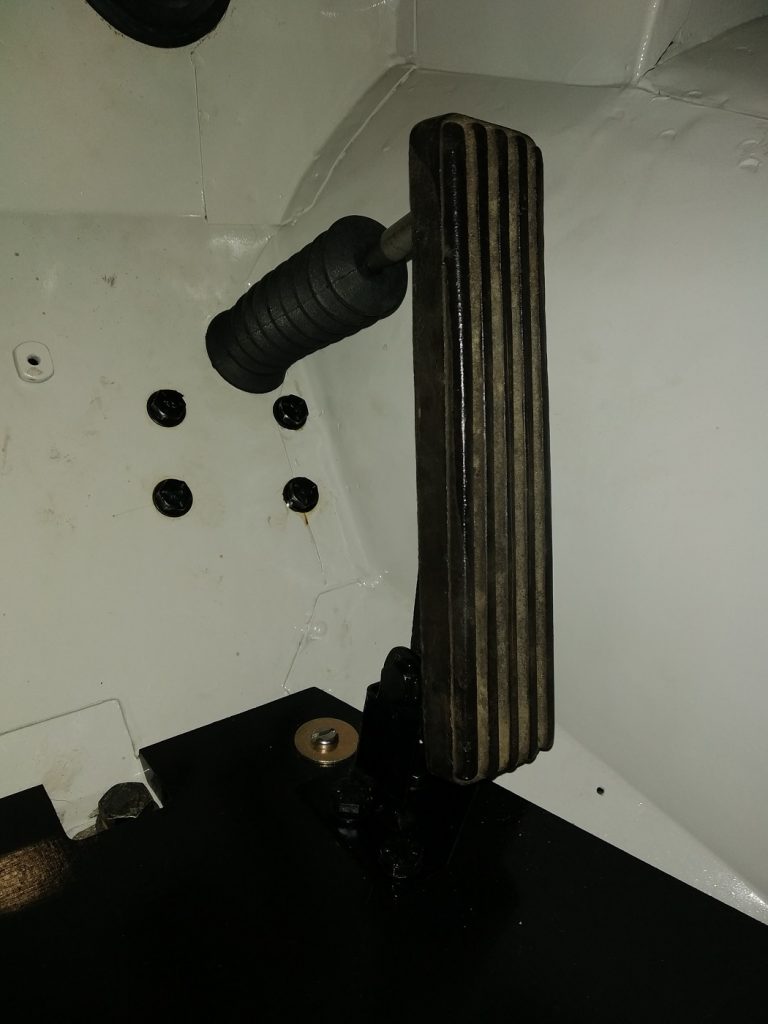
Accelerator pedal mounted 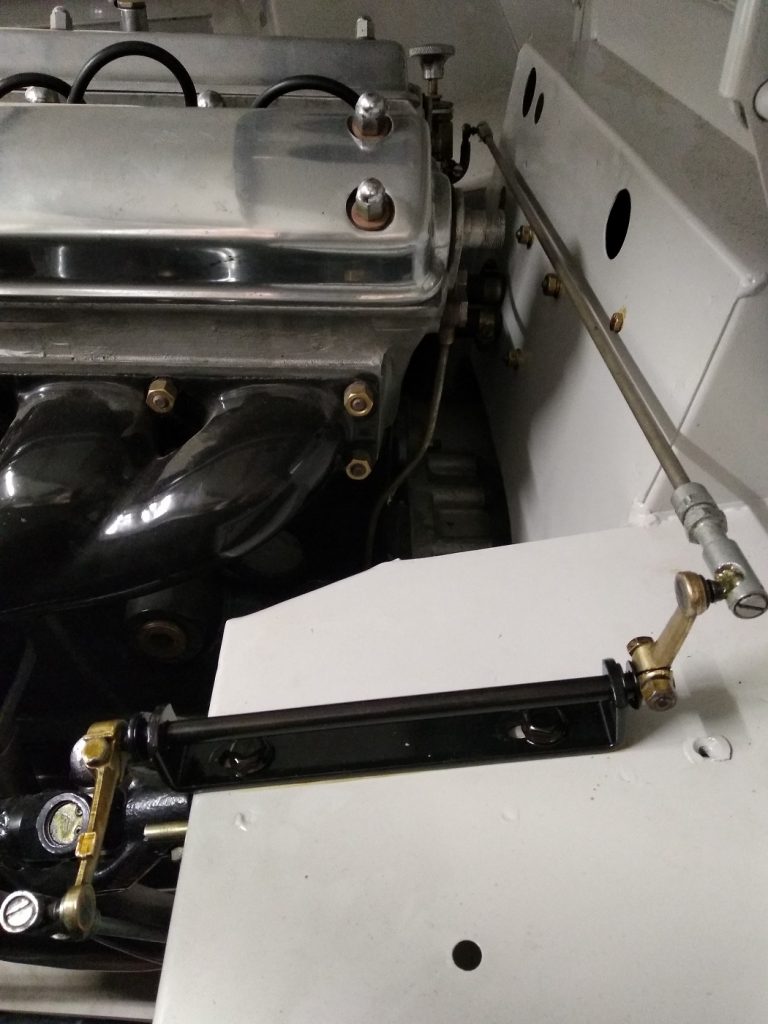
Throttle Linkage in place
 When I bought this car 6,5 year ago my first estimation was to finished this project in 5 year. I lot of people in my environment respond like this; 5 YEAR, so long!
Today the progress has crossed the 50% boundary. My current impression is that the last 50% will go a bit faster. In the first 50% the work meanly consists of
- Disassembling
- Cleaning
- Find missing parts
- Research
- Figure out which parts are used where
- Assembling the rolling chassis (except the engine)
- Bodywork repair I
During the last 50% i will need to do;
- Finishing the body work repair
- Electrical installation
- Assembling bodywork and interior
- Lining
- Finishing the rolling chassis; Carburetor, Dynamo, Starter, Waterpump, Oil cleaner and Engine
 The jaguar XK’s by PaulSkilleter (ISBN 0 900549 49 1)
 Jaguar XK 120/140/150 cream of the cats byDuncan Wherrett (ISBN 1 85532 773 2)
Workshop Manual for Jaguar XK120, XK140, XK150 1948-61 Mark 7, 8, 9, 1950-61
Jaguar World (Jaguar 6 Cylinder Engine Overhaul 1948-1986) by Kelsey Publishing Limited (ISBN 1 873098 32 4)
 On Jaguar XK120 Restauration by Kelsey Publishing Limited (ISBN 1 873098 38 1)
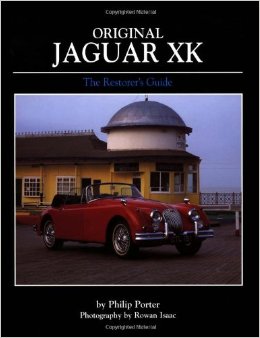 Original Jaguar XK The restorer’s Guide by Philip Porter (ISBN 0 7603 1737 2)
Original Jaguar XK by Philip Porter (ISBN 1 870979 05 2)
 Jaguar XK140 explored by Bernard Viart (ISBN 978 0 9550102 7 9)
 Jaguar XK140 Models operating, maintenance and service handbook by Jaguar
 Jaguar operating, maintenance and service handbook for 3 1/2 litre XK120 by Jaguar
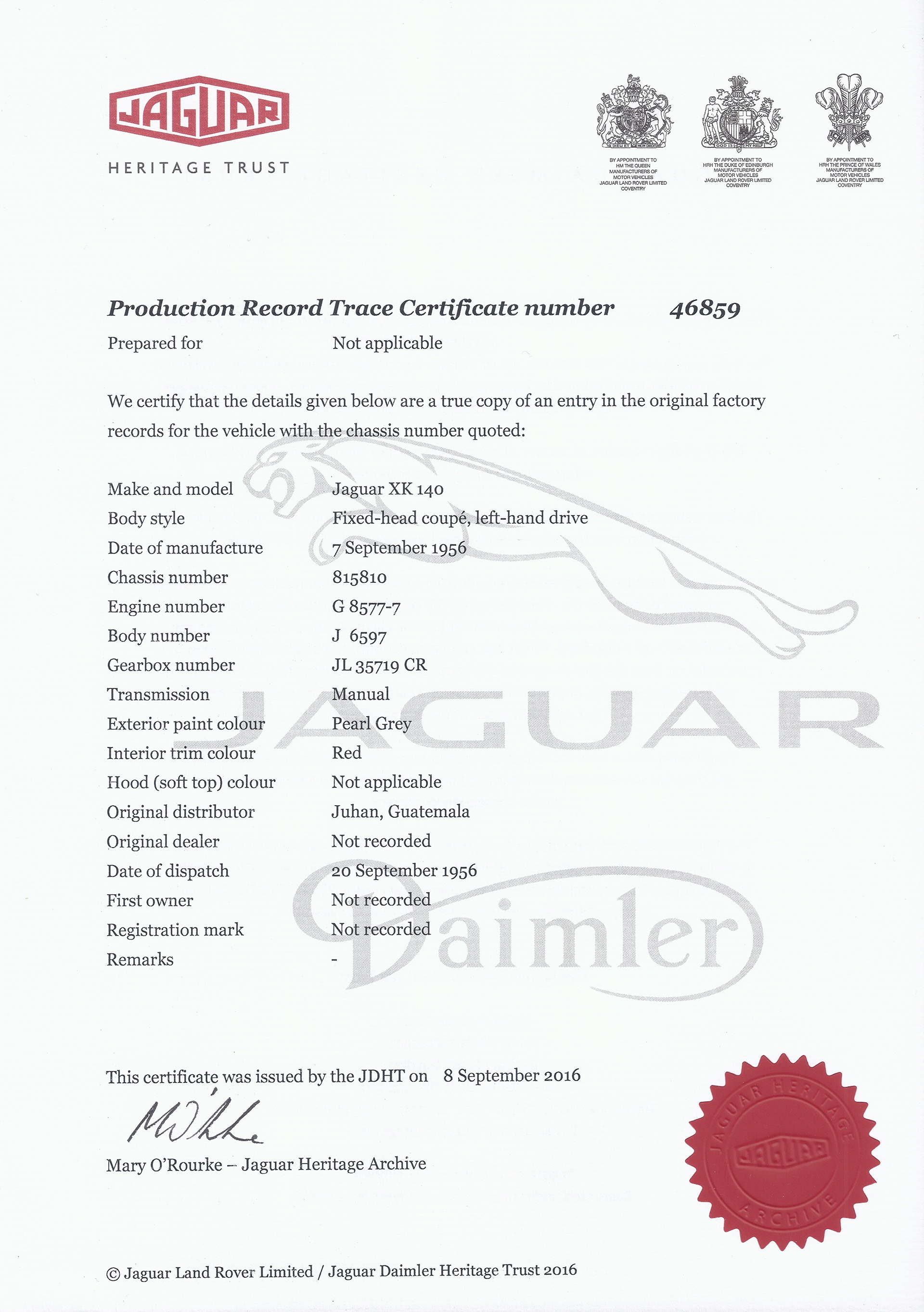
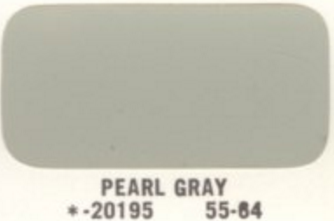
From the certificate we can read that the original color for the body is “Pearl Grey” and the interior is “Red”. Also the production date and dispatch date was new information to me. I also did not know that the was car originally dispatched to Guatemala.

That the car is dispatched to Guatemala explains that:
– Steering wheel is positioned on the left side
– Units for speed are expressed in km/h
– Units for temperature is expressed in °C
Same as we use in Europe!
I always found this strange because the previous owner told me that the car was a original “California” black plate car. In the USA they use Miles and Fahrenheit instead of Km and °C. So this mystery has be resolved.
California Black Plates
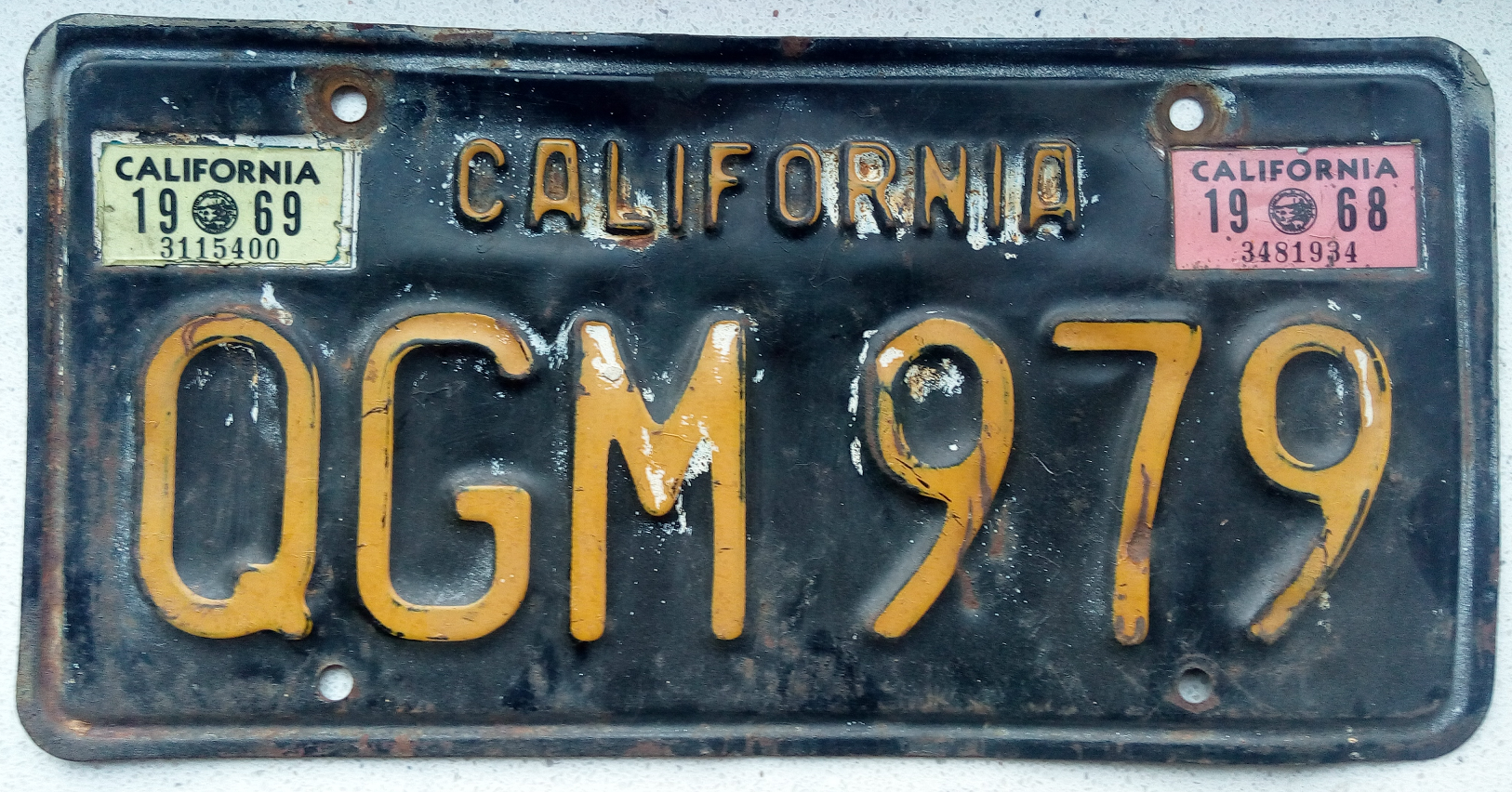
The California black license plate where introduced in 1963 and are still in use in the USA. They are allowed on cars if the registration was issued between 1963 and 1969. One year ago they are reproducing them again for owners who have a classic car which came originally from this time period.
The license plate itself measure 12″ by 6″ and are painted black. The registration number and state name are pressed into the steel and painted yellow/gold. With Two of the four 1/4″ holes the plat can be mounted to the car.
From the original licence plates we can see that the registration fee was last paid in 1969. The intention was to place the sticker on the right sticker well, but the owner of this car was probably not aware of this rule.
| Year | Sticker Color | Character Color |
|---|---|---|
| 1963 | No sticker issued | No sticker issued |
| 1964 | White | Black |
| 1965 | Orange | Black |
| 1966 | Yellow | Black |
| 1967 | Blue | Black |
| 1968 | Pink | Black |
| 1969 | White | Black |
Car History
So it is now clear that:
– The car has been sold to the first owner living in Guatemala in 1956
– In 1964 the car has been sold to the new owner living in California (date is stated on the pink slip)
– That the car has been used on the road until approximately 1969
– The car has been abandoned for almost 30 years (from 1969 until 1998)
– The car has been imported to the Netherlands in 1998 by the Noblehouse (date is stated on the customs form)
– The car has been sold to the previous owner somewhere before 2008
– I bought the car in 2008